
Streetwear staples and sneaker culture: a shared history
Streetwear staples and sneaker culture did not develop on separate tracks. They grew side by side, each pushing the other forward. In the 1980s, oversized tees and tracksuits gave basketball sneakers room to breathe, and the silhouette of a shoe often dictated how baggy a pant leg needed to be. By the 1990s, skate culture brought in wider jeans and graphic tees built to survive falls, which paired naturally with thick-soled skate shoes. Every decade since has added a new layer: hip hop in the 2000s pushed clean fits and fresh kicks as a status symbol, while the 2010s brought hype culture, where a single sneaker drop could define an entire outfit. You can find pieces inspired by these eras at hidden season, where the clothing leans into that same give and take between shoe and garment. Understanding this back and forth matters if you want your outfits to feel intentional rather than accidental. The relationship is not about matching colors. It is about proportion, texture and the era you are referencing, whether that is baggy 90s skate wear or the slimmer, technical cuts that dominate now.
Key takeaways
- Streetwear silhouettes have historically adjusted to match the bulk or slimness of popular sneaker shapes.
- Color and logo trends often move from sneakers into apparel within the same season.
- Building an outfit around your sneakers’ era and proportion keeps the look intentional rather than random.
How silhouettes shifted to match sneaker shapes
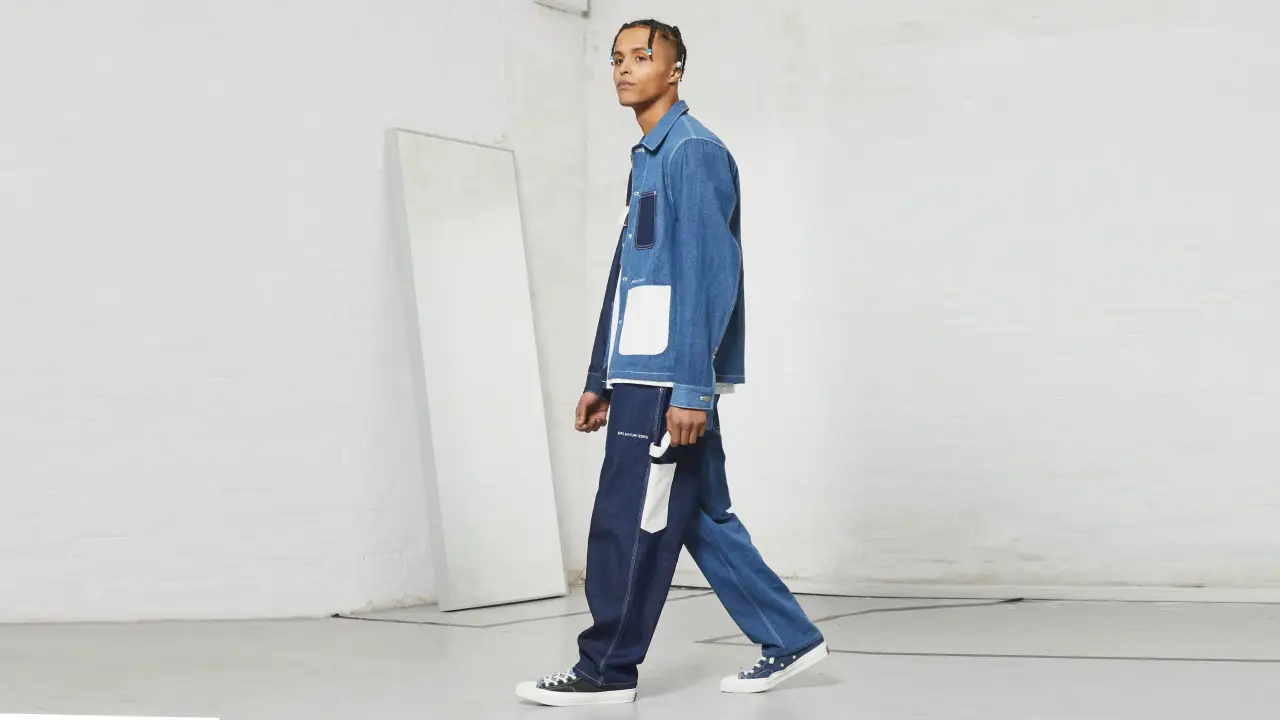
Sneaker silhouettes have swung between bulky and sleek for decades, and streetwear has followed each swing. Chunky dad shoes in the late 2010s brought back wide-leg pants and longer hemlines, because a slim ankle cuff made the shoe look disproportionate. When low-profile runners and retro basketball shoes came back into favor, cropped pants and tapered joggers followed, letting the shoe sit as the visual anchor instead of getting buried under fabric. Hooded jackets and oversized outerwear also track this pattern. A bulky high-top needs a jacket with enough shoulder room to balance it, while a slim skate shoe pairs better with something closer to the body. Brands that sell across both categories, like hiddenseason, tend to cut pieces with this balance already built in, which saves shoppers from guessing. If you are building a wardrobe around your sneaker collection, start with the shoe and work outward. Measure how much room the silhouette needs and pick tops and bottoms that respect that proportion instead of fighting it. This is the simplest rule in streetwear and it still holds up decades after the first tracksuit met the first basketball shoe.
Logos, color blocking and the sneaker-driven palette
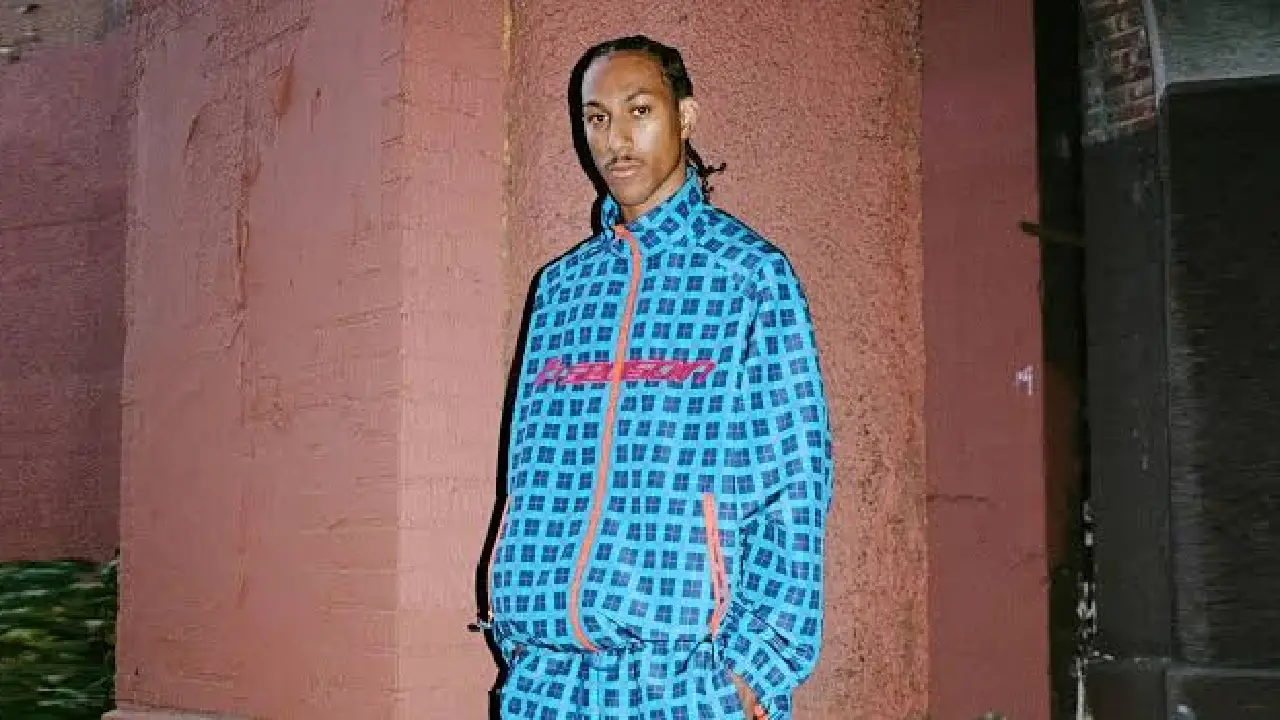
Color has always moved between sneakers and apparel faster than most people notice. A bold colorway on a popular shoe often shows up on hoodies and jackets within a season, because brands know shoppers want to build a full look around one pair of shoes. This is why streetwear collections frequently echo whatever palette is dominating sneaker releases that year. Logos followed a similar path. Loud branding on shoes in the 2000s pushed matching graphic tees and jackets, while the quieter, minimal sneaker trend of the past few years brought plainer streetwear with smaller logos or none at all. Independent labels, including hidden season clothing, often sit in that quieter lane, favoring clean cuts over heavy branding. Shoppers who want their outfits to age well should think about this cycle before buying. A piece built around a specific shoe’s colorway can look dated once that shoe falls out of rotation, while neutral tones and simple silhouettes stay wearable regardless of what sneakers are trending. Pay attention to whether a garment was designed to highlight a shoe or to stand on its own, since that choice affects how long the piece stays useful in your closet.
What this history means for building an outfit today
Knowing how streetwear staples evolved alongside sneaker culture gives you a practical shortcut when shopping. Instead of chasing every trend, look at what era or silhouette your sneakers belong to and build from there. Chunky retro runners call for looser, structured pieces. Slim skate shoes or minimal leather sneakers pair better with fitted or mid-weight clothing. Layering also matters more than most people think. A single graphic tee under an open jacket can bridge two eras at once, letting you wear a modern sneaker with a silhouette borrowed from the 90s without looking like a costume. Pay attention to hems and cuffs too, since a few inches of fabric can make or break how a shoe reads with an outfit. The lesson from this whole history is simple: sneakers and clothing were never separate categories. They were built to respond to each other, and that habit has not changed even as styles have. The next time you put together an outfit, start with the shoe, then choose the clothing that fits its shape, color and era, rather than picking each piece in isolation.
Frequently asked questions
Why do streetwear trends often follow sneaker trends?
Sneakers are usually the most visible and expensive part of an outfit, so clothing brands design around them to keep proportions and colors balanced. This has created a decades-long back and forth between the two categories.
How do I match my clothing to chunky sneakers?
Chunky sneakers generally pair better with wider or longer pants and roomier outerwear, since a slim fit can make the shoe look oversized by comparison. Aim for pieces with enough structure to balance the shoe’s bulk.
Does streetwear always need bold logos to look authentic?
No. Many current streetwear pieces favor minimal branding, especially as sneaker trends have shifted toward cleaner, quieter colorways. A plain fit with the right proportion often reads as more current than heavy logo placement.