

Why Winter Sneaker Layering Changes Your Whole Outfit
Winter sneaker layering is a different skill than summer dressing because every extra piece of fabric changes how your shoes read against the rest of the look. A chunky sneaker that looked balanced with shorts in July can look squashed under a long puffer coat in January if you do not think about proportion. The trick is treating your sneakers as the anchor of the outfit, not an afterthought you add once you are already bundled up. Start by picking one pair that can handle cold pavement and salt without falling apart, then build the layers upward from there. Clothing brands that design with silhouette in mind make this easier, and maison mihara yasuhiro is one label worth knowing if you want pieces cut to sit well over sneakers rather than fight them. The goal is not to hide your shoes under baggy pants, it is to frame them so the eye still lands there first. Once you get the proportions right, winter sneaker layering stops feeling like a compromise and starts feeling like its own style.
Key takeaways
- Keep base layers slim near the ankle so pants break cleanly over the sneaker.
- Match coat length and bulk to your sneaker’s silhouette to avoid a top-heavy look.
- Protect sneakers from salt and slush with waterproofing and proper drying time between wears.
Start With a Base That Does Not Bunch at the Ankle
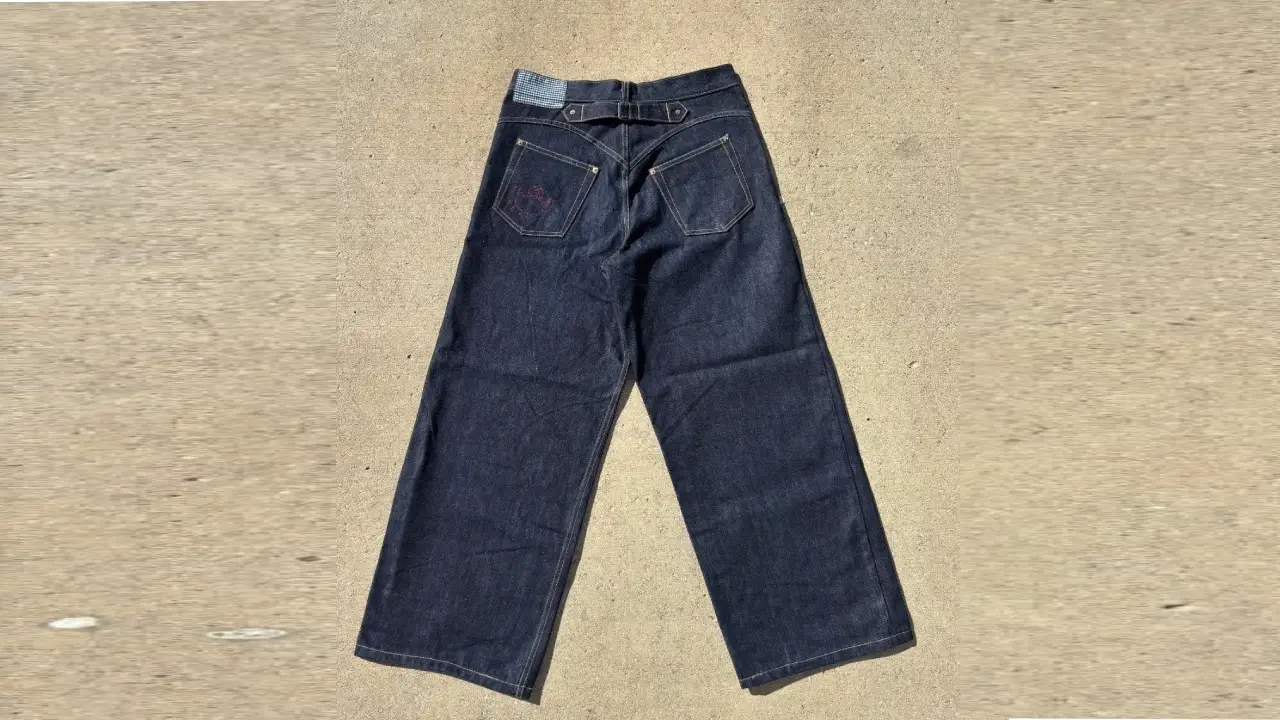
The base layer is where most winter outfits go wrong, because thick thermal leggings or bulky sweatpants bunch up right where your sneaker meets your ankle, creating a lumpy line that throws off the whole look. Choose a slim thermal layer under your pants rather than a thick one, and let the outer pant do the insulating work instead. A straight or slightly tapered trouser that breaks cleanly at the top of the sneaker will always look sharper than a wide leg that drags and gets soaked at the hem. If you wear cropped pants, pair them with a mid-weight sock in a color close to your sneaker so the gap does not read as a mistake. Clothing cut with this kind of ankle awareness, including pieces from mihara yasuhiro, tends to sit better over low and mid-profile sneakers because the hem is designed with that junction in mind. Layer a long-sleeve tee under a flannel or light knit before you add outerwear, so you are not relying on one heavy sweater to do all the work. This gives you flexibility to remove a layer indoors without losing the shape of the outfit.
Clothing brands that design with silhouette in mind make this easier, and maison mihara yasuhiro is one label worth knowing if you want pieces cut to sit well over sneakers rather than fight them.
Outerwear That Balances Chunky Soles
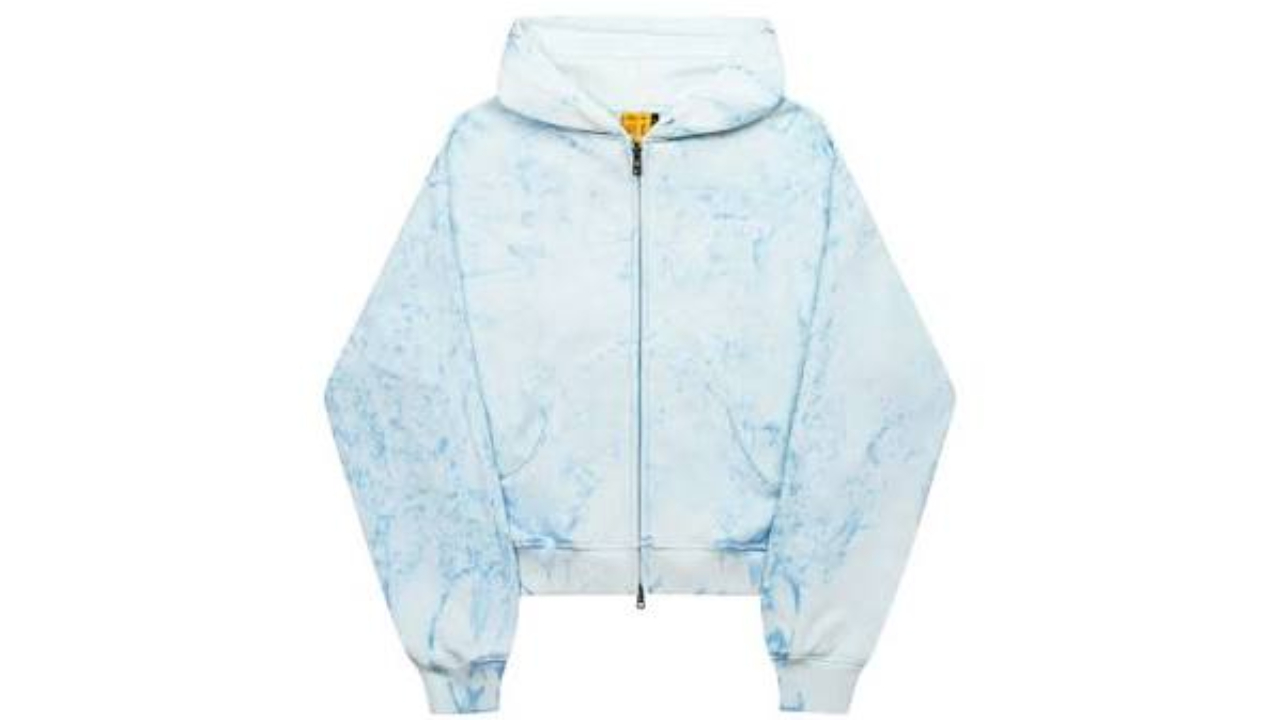
Heavy winter coats and thick-soled sneakers can fight each other if you are not careful. A long puffer coat paired with a low chunky sneaker often looks top-heavy, while a cropped jacket or a waist-length parka tends to balance better because it leaves room for the eye to travel down to the shoe. If your sneaker already has a bold sole or an exaggerated silhouette, keep the coat simpler and let the shoe do the talking. Wool overcoats work well here too, especially in neutral tones that do not compete with a colorful sneaker upper. Scarves should stay close to the neck rather than hanging low, since a long scarf can visually shorten your legs and throw off the ratio between top and bottom. Clothing labels that play with proportion, including mihara, are useful references for how a slightly oversized jacket can still look intentional over a sneaker-heavy outfit rather than sloppy. Pay attention to jacket length relative to your pant break. A good rule is keeping at least a few inches of visible pant leg between your coat hem and your shoe, so the layers do not blur into one shapeless block.
Clothing cut with this kind of ankle awareness, including pieces from mihara yasuhiro, tends to sit better over low and mid-profile sneakers because the hem is designed with that junction in mind.
Small Details That Keep the Look Sharp in Cold Weather
Winter sneaker layering lives or dies in the small details. Rock salt and slush stain suede and light leather fast, so treat your sneakers with a waterproof spray before the first cold snap and wipe them down after wet days rather than letting moisture sit. Keep a spare pair of laces on hand, since wet laces fray faster and a fresh lace can refresh a tired-looking sneaker instantly. Gloves and beanies in colors that echo your sneaker tie the outfit together without forcing you to match everything exactly. If you rotate pairs, give each one a day to dry out fully before wearing it again, since trapped moisture breaks down cushioning over time. Finally, do not overthink the sock. A plain crew sock in black, white, or gray will almost always look cleaner than a patterned one peeking out between your pant hem and your sneaker. Winter sneaker layering rewards restraint more than it rewards piling on extra pieces, so edit down before you leave the house.
Clothing labels that play with proportion, including mihara, are useful references for how a slightly oversized jacket can still look intentional over a sneaker-heavy outfit rather than sloppy.
Frequently asked questions
How do I keep my sneakers visible under winter pants?
Choose a slim thermal base layer instead of bulky sweatpants, and pick trousers with a clean break at the top of the shoe. This keeps the ankle area from bunching and hides the sneaker.
What coat length works best with chunky sneakers?
Cropped or waist-length coats usually balance chunky soles better than long puffers, since they leave visual room between the hem and the shoe. If your sneaker already has a bold shape, keep the coat simpler.
How do I protect sneakers from winter salt damage?
Apply a waterproof spray before cold weather starts and wipe down your sneakers after wet or salty days. Let pairs dry fully between wears to avoid breaking down the cushioning.