

Why Camping Sneakers Need to Work Harder Than Everyday Shoes
Camping sneakers face a different job than the pair you wear to the office or out for dinner. They get wet, muddy, scuffed against rocks and asked to carry you over uneven ground for hours at a stretch. A shoe that looks great on pavement can feel useless the second you hit a gravel path or a damp trailhead. Before you pack for a trip, check out the gear section at oex, since having the right footwear alongside the rest of your camping kit makes a noticeable difference in comfort.
Key takeaways
- Choose camping sneakers with real rubber tread and a durable, water-resistant upper rather than fashion sneakers.
- Match your footwear to the terrain, since rocky or wet campsites demand more grip and ankle support than flat, dry ground.
- Break in any new sneakers before the trip and pack a backup pair so wet or worn shoes do not ruin a second day outdoors.
The biggest mistake people make is treating camping sneakers like fashion sneakers. Thin soles, mesh uppers with no water resistance and laces that loosen on their own are fine for a quick walk but fall apart fast outdoors. Look instead for a sturdy rubber outsole with real tread, not a flat decorative pattern. Check that the upper is made from something that can handle dirt without soaking through in minutes, like a treated canvas or a synthetic leather blend. Ankle support matters too, especially if you are hauling a pack or walking on loose stone. None of this means spending a fortune. It means being honest about what the trip will actually demand of your feet.
Matching Sneakers to the Campsite Terrain
Not every camping trip has the same ground underfoot, so the right camping sneakers depend heavily on where you are setting up. A grassy campground with paved paths to the bathroom block is a very different challenge than a rocky riverside site or a forest trail with roots and mud. For flatter, drier sites, a low-cut trail sneaker with decent cushioning is usually enough. You do not need a full hiking boot if you are mostly walking between the car and the tent.
If your trip involves driving to a remote spot and setting up camp on top of the vehicle, say with something like an oex roof tent, your footwear needs to handle both the climb up and down and whatever ground is below. That kind of setup often means more scrambling over uneven surfaces, so a sneaker with a wider base and a grippy sole earns its place. Wet grass in the early morning is slicker than it looks, and a soft rubber tread handles that far better than a smooth fashion sole. Pack a backup pair too. Wet sneakers that never fully dry overnight are miserable on day two.
Keeping Sneakers Dry and Functional Around the Campsite
Water is the real enemy on most camping trips, whether it comes from rain, dew, or wading across a creek to reach a swimming spot. Sneakers with a water-resistant coating or a sealed seam around the toe box hold up far better than untreated mesh, which soaks through almost instantly and stays damp for the rest of the day. A dry bag or a stuff sack for a spare pair is a small thing to pack that saves a lot of discomfort.
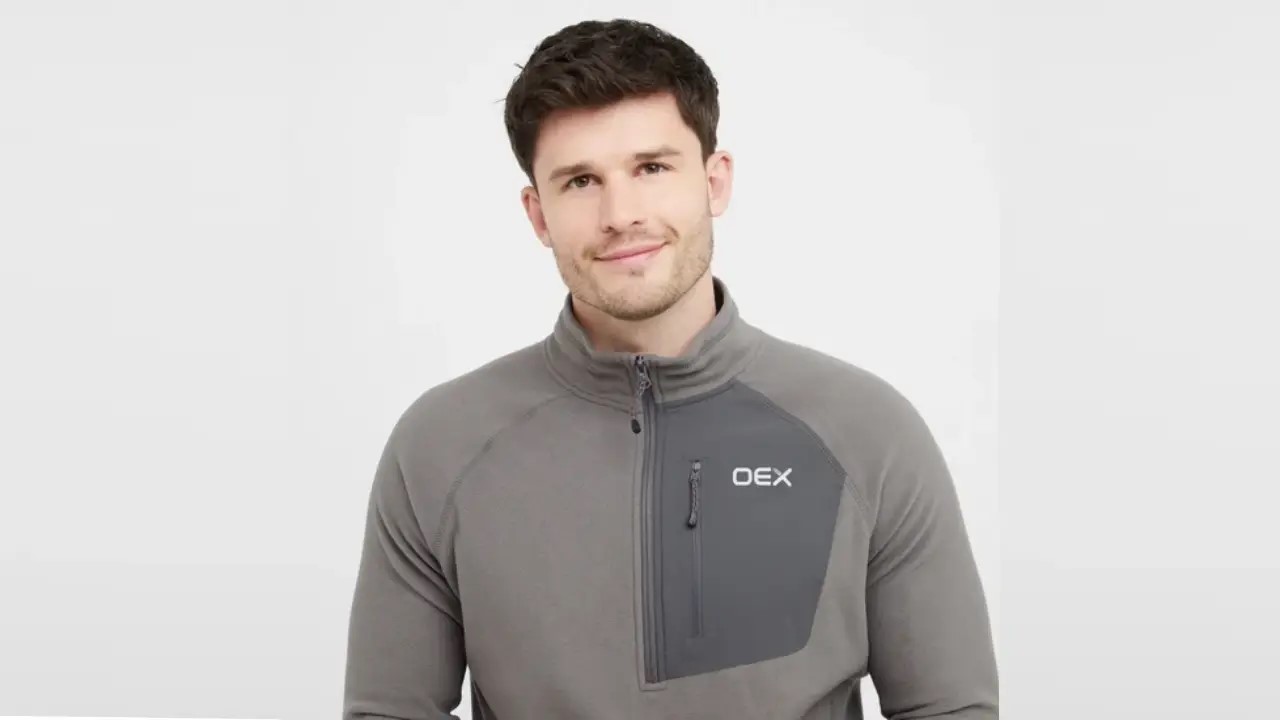
Layering matters for your feet just like it does for the rest of your body. Wool or synthetic hiking socks wick moisture away from the skin, which reduces blisters even when the shoe itself gets a little wet. If you are also packing outer layers for cooler evenings, something like the oex phoxx 2 works well alongside sturdy sneakers for the kind of temperature swings that happen once the sun goes down at a campsite. Dry feet at the end of the day make the whole trip feel more manageable, and it is one of the easiest things to plan for ahead of time rather than fix once you are already out there.
Breaking In Sneakers Before the Trip
A camping trip is the worst possible time to wear brand new sneakers for the first time. Stiff, unbroken soles rub in places you do not expect, and by the second mile your feet already hurt. Wear any new pair around the house and on short walks for at least a week before you leave, long enough to know where the pressure points are.
Pack light but smart. One solid pair of camping sneakers for daytime activity, plus a lighter pair of sandals or slip-ons for sitting around the fire at night, covers most situations without overloading your bag. Check the tread for wear before you go, since a worn-out sole loses grip exactly when you need it most. Good footwear will not make or break a camping trip, but bad footwear can quietly ruin one.
Frequently asked questions
Can I wear regular running shoes for camping?
Running shoes can work for flat, dry campgrounds, but they usually lack the grip and water resistance needed for muddy or rocky terrain. If your trip involves uneven trails, a trail sneaker with sturdier tread is a safer choice.
Do I need waterproof shoes for camping?
Full waterproofing is not always necessary, but water-resistant materials help a lot since damp sneakers that never dry overnight are uncomfortable for days. A sealed toe box and quick-drying socks go a long way.
How many pairs of shoes should I pack for a camping trip?
Two pairs is usually enough: one sturdy pair for daytime activity and a lighter pair like sandals or slip-ons for evenings around the camp. Having a dry backup matters more than having several options.