

The Garment That Shaped Sneaker Style History
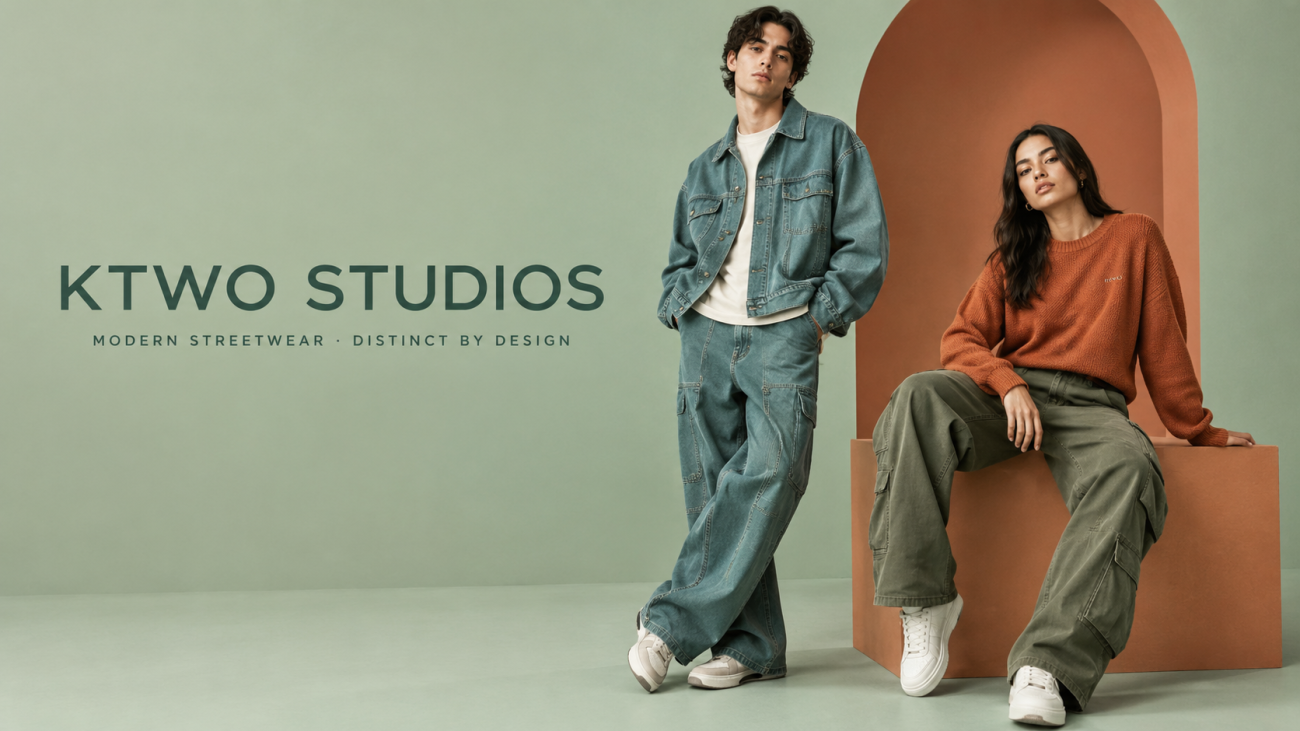
Sneaker style history is usually told through shoes alone, but that leaves out half the story. The garment that made sneakers look right on the street was denim. Workers wore it because it held up to hard labor, and once sneakers moved from gyms to sidewalks, the two found each other almost by accident. A canvas or leather shoe needed something equally rugged on top, and jeans fit that bill long before anyone thought about matching outfits. If you shop for basics today, a site like yhone clothing sells the kind of plain clothing pieces that still echo that original pairing: simple, sturdy, built to be worn hard.
Key takeaways
- Denim and sneakers paired up for practical reasons long before it became a fashion statement.
- Hoodies and sweatshirts added a softer layer that balanced bold sneaker designs.
- Keeping outfits to two or three colors echoes the original logic behind sneaker and denim pairing.
What made denim and sneakers click wasn’t fashion logic. It was practicality. Both items were cheap, both lasted, and both looked better with age instead of worse. That combination became the default uniform for anyone who needed clothes that worked as hard as they did, long before it became a style statement.
From Workwear to Street Uniform
By the mid-20th century, jeans had already left the farm and the factory floor. Teenagers adopted them as a symbol of rebellion, and sneakers rode along for the same reason: both were considered too casual for polite company, which made them exactly right for anyone pushing back against dress codes. Schools banned them, parents complained, and that disapproval only made the combination more popular.
As decades passed, the jean and sneaker pairing stopped being a protest and became a baseline. Musicians wore it on stage, athletes wore it off the court, and eventually it showed up in advertising campaigns selling an entire lifestyle rather than just two garments. The denim stayed mostly unchanged in cut and fabric, but the sneakers evolved fast, picking up new soles, new colors, and new brand identities. That contrast, steady denim against constantly shifting sneaker design, is part of what keeps the pairing interesting decades later. It gives people a stable base to build an outfit around while the shoes do the talking.
The Sweatshirt and Hoodie Era
Denim wasn’t the only garment doing heavy lifting in sneaker style history. Sweatshirts and hoodies joined the picture once sportswear moved into everyday wardrobes. Where jeans gave structure, the hoodie gave ease. It softened an outfit built around sneakers, letting the shoes stay the focal point without the rest of the look fighting for attention. That balance is still the formula most people reach for without thinking about it.
The hoodie also carried its own cultural weight, tied to skate parks, music scenes, and later to everyday errands. Paired with sneakers, it signaled comfort without looking sloppy, which is a harder trick than it sounds. Brands noticed the demand and started producing heavier cotton blends meant to survive repeated washing, a detail that mattered once the garment became a daily staple rather than an occasional layer. Anyone building a rotation of plain hoodies and tees can find a useful starting point through yhone, since the basics there lean toward the same simple cuts that made this combination last.
How the Pairing Looks Today
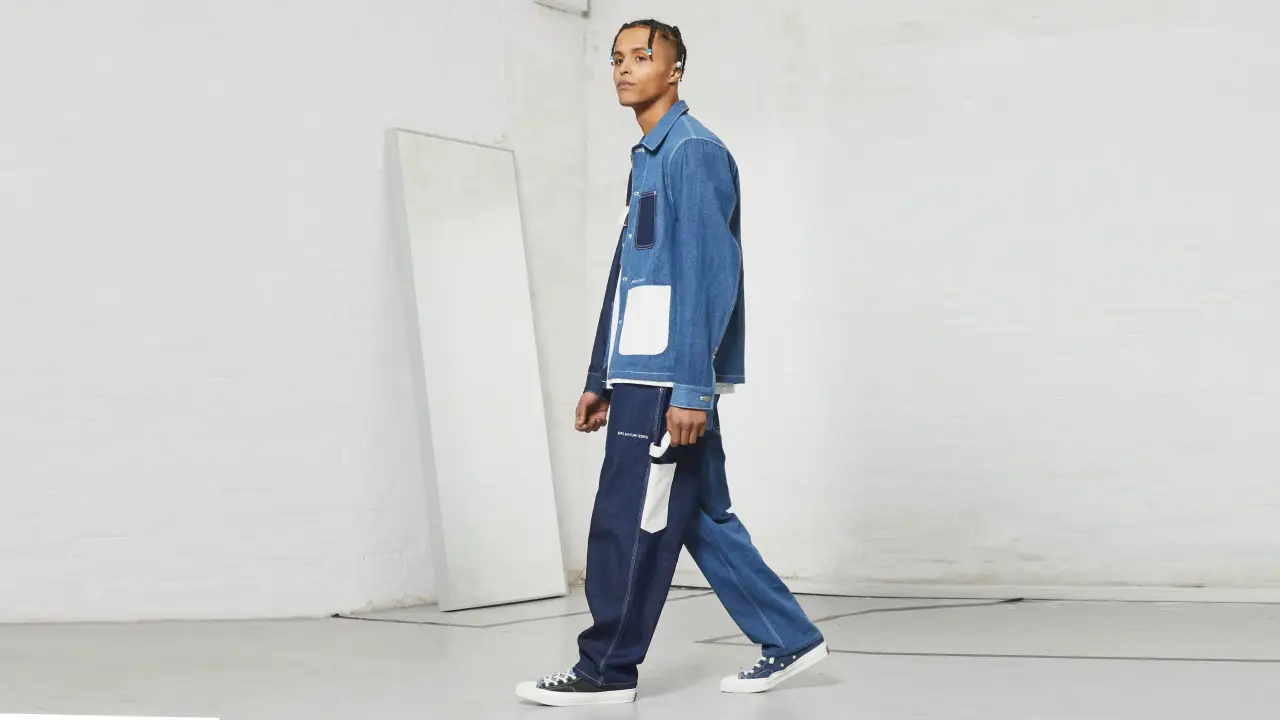
Modern sneaker style history keeps circling back to the same two garments: denim and a soft top layer, whether that’s a hoodie, sweatshirt, or plain tee. What changes is proportion. Looser jeans pair with chunkier sneakers, while slimmer cuts work better with low profile silhouettes. The rule hasn’t really changed since the pairing first took hold: let one piece lead and keep the rest simple.
Color still matters more than people expect. Neutral denim in indigo, black, or washed gray gives sneakers room to stand out, especially if the shoes carry a bold colorway. Sticking to two or three colors across an entire outfit keeps things readable instead of busy. This isn’t a new idea, it’s the same logic that made the original denim and sneaker combination work decades ago. Even as sneaker design keeps changing, the plain garment underneath is still doing most of the quiet work that makes an outfit look put together.
Frequently asked questions
Why do jeans and sneakers go together so well?
Both started as durable, low-cost items meant for hard use, so they shared a practical look long before anyone paired them for style. That shared simplicity still makes them easy to match today.
What garment is most associated with sneaker style history?
Denim is the garment most tied to sneaker style history, since it was the default casual pairing for sneakers for most of the 20th century. Hoodies and sweatshirts followed later as sportswear moved into daily wear.
How do I keep a sneaker and denim outfit looking put together?
Stick to neutral denim and let the sneakers carry the color or detail. Keeping the rest of the outfit simple, including the top layer, usually looks cleaner than mixing too many bold pieces at once.