

Why Clothing Fabrics Change How Sneakers Look
Clothing fabrics do more than decide comfort. They decide how an outfit reads next to a pair of sneakers on your feet. A stiff canvas jacket next to a soft mesh runner looks off balance, while the same jacket next to a leather sneaker feels intentional. Texture is a language, and once you learn to read it, outfit choices get easier. Brands that build around one clear style, like prestige collection, tend to lean on a handful of fabrics that repeat across pieces, which makes pairing simpler because you already know how those materials sit and move.
Key takeaways
- Fabric weight and texture should match the bulk and finish of your sneakers, not just the color.
- Cotton and denim behave differently depending on wash and weave, which changes which sneakers look right with them.
- Technical and wool fabrics need their own sneaker logic since they carry more visual weight than lightweight cotton.
Fabric weight matters as much as fabric type. A heavy fabric like raw denim holds its shape and pairs best with sneakers that have some bulk, such as chunky trainers or high tops. Lightweight fabrics like rayon or thin cotton blends drape close to the body and pair better with low profile sneakers that do not compete for attention. Once you start noticing weight and texture together, matching shoes to an outfit stops being a guessing game.
Cotton, Denim, and the Casual Sneaker Wardrobe
Cotton is the backbone of most casual wardrobes, and it behaves differently depending on how it is woven. Jersey cotton, the stuff in most t-shirts, is soft and a little loose, so it pairs well with relaxed sneakers like classic canvas shoes or low top skate styles. Twill cotton, used in chinos and workwear jackets, has more structure and looks sharper with clean leather sneakers.
Denim is cotton in its stiffest, most durable form. Raw or heavier denim holds a crease and looks best with sneakers that have visible stitching or a slight rugged edge, since both materials share that workwear feel. Washed or stretch denim is softer and more forgiving, which opens the door to lighter sneakers in white or pastel tones. The mistake most people make with denim is treating every wash the same way. A dark, rigid pair asks for a bolder sneaker, while faded, soft denim looks better with something plainer so the outfit does not fight itself.
Cotton blends also shrink and fade differently depending on the ratio of synthetic fiber mixed in, which matters if you plan to wash an outfit often and want the color to stay close to the sneakers you already own.
Technical Fabrics and Why They Suit Certain Sneakers
Technical fabrics, things like nylon, polyester blends, and fleece, are built for movement and weather rather than drape. They tend to have a slight sheen or a matte, almost rubbery texture, and that changes what looks right on your feet. A nylon track jacket or a fleece pullover pairs naturally with running shoes or trainers built from mesh and synthetic overlays, because both materials share a sporty, functional look. Pairing a technical fabric with a dressy leather sneaker usually looks mismatched, since one piece reads casual and the other reads formal.
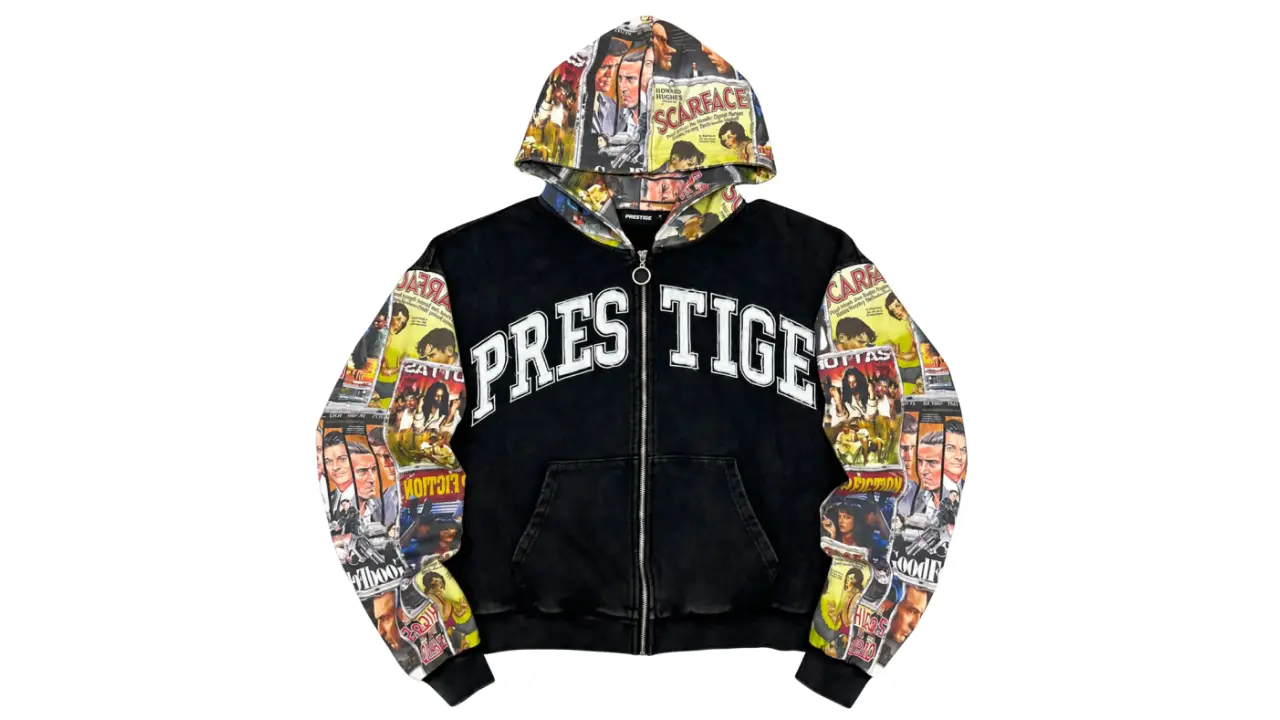
Hoodies sit in an interesting middle ground. A cotton fleece hoodie is soft and slightly bulky, so it pairs well with chunkier sneakers that can hold visual weight against the fabric. If you are shopping for one, a piece like the prestige hoodie gives a sense of how a well cut hoodie in a mid weight cotton blend can anchor a casual outfit without overwhelming the sneakers underneath.
Care matters here too. Technical fabrics often need cooler wash cycles and air drying to avoid breaking down the coating that gives them their water resistance, so check labels before tossing a synthetic jacket in with regular cotton loads.
Wool, Fleece, and Cold Weather Pairing
Wool changes the sneaker equation because it is naturally warm, slightly textured, and holds a defined shape even in loose cuts. A wool coat or sweater looks best with leather or suede sneakers, since both materials have a bit of texture and a muted color range that plays well together. Wool rarely pairs well with bright, glossy sneakers, since the fabric already has visual weight and a shiny sneaker competes rather than complements.
Fleece is wool’s more casual cousin. It is soft, a little bulky, and almost always informal, so it belongs with low key sneakers rather than anything polished. A fleece jacket over jeans and a plain white sneaker is a reliable cold weather combination that never looks forced.
Layering fabrics in winter means paying attention to bulk. A wool coat over a fleece hoodie adds a lot of volume, so a slimmer sneaker balances the outfit better than another chunky one. If you want a full outfit built around dependable cold weather fabrics, browsing a full range like prestige clothing can show how wool, fleece, and cotton pieces are meant to sit together before you start matching sneakers to any one item.
Frequently asked questions
What fabric pairs best with white sneakers?
Lightweight cotton, chambray, and washed denim all pair well with white sneakers because they keep the outfit casual without competing with the clean look of the shoe. Heavier textured fabrics like raw denim or wool work too, as long as the sneaker stays simple.
Do technical fabrics work with leather sneakers?
Generally no, since technical fabrics like nylon and fleece read as sporty while leather sneakers read as dressier. Mixing the two usually looks unintentional rather than styled, so it is better to match technical pieces with mesh or canvas sneakers.
How does fabric weight affect sneaker choice?
Heavier fabrics like denim or wool need sneakers with some visual bulk to balance the outfit, while lightweight fabrics like jersey cotton or rayon pair better with slimmer, low profile sneakers.