
Why Jogger Styles Are Taking Over Sneaker Outfits
Jogger styles have quietly become the default bottom for anyone who dresses around sneakers. They taper at the ankle, which means the shoe actually gets to show instead of getting buried under denim. That tapered hem is the whole reason joggers and sneakers work so well together: the shoe becomes part of the outfit, not an afterthought. Brands have noticed this shift and started treating joggers less like gym leftovers and more like a real wardrobe piece, with better fabric, a cleaner cut through the hip, and colors that actually coordinate with sneaker drops. If you want a quick reference point for where the category stands right now, the home page at iets gives a decent snapshot of how joggers are being styled as everyday clothing rather than just loungewear. The appeal is practical too. Joggers move with you, they layer easily under a jacket, and they forgive a slightly bulkier sneaker in a way slim jeans never do. That combination of comfort and shape is why joggers keep showing up in outfit posts instead of fading out after a season. Expect that to continue, since the fit flatters almost every sneaker silhouette without much effort on your part.
Key takeaways
- Tapered and straight-leg joggers pair best with chunky sneakers, while looser joggers suit minimal, low-profile shoes.
- Neutral and muted jogger colors this season make it easier to let sneakers stand out as the focal point of an outfit.
- Cropped or cuffed jogger hems help show off sneaker details like high-top collars without needing a tailor.
The Jogger Shapes Worth Paying Attention To
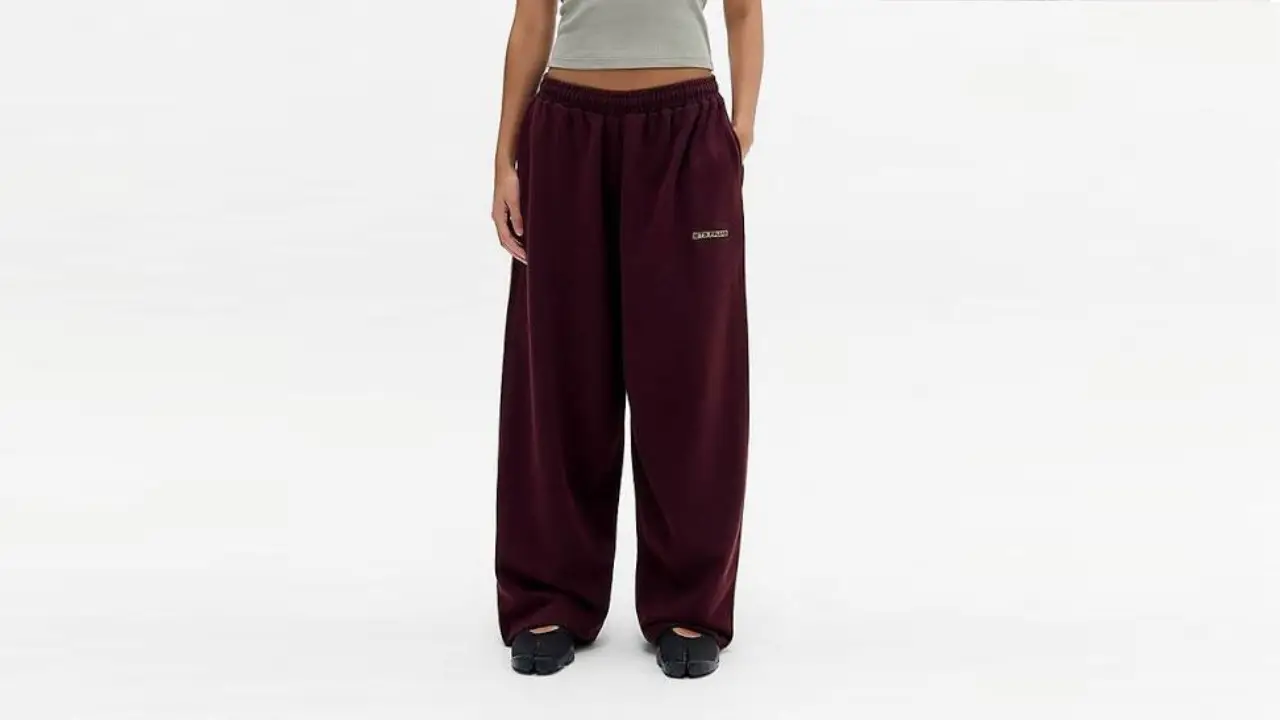
Not every jogger looks the same this season, and the differences matter more than people think. Straight-leg joggers with a soft taper are the most versatile, they sit close enough to the ankle to show off a sneaker without looking skinny through the thigh. Cargo-style joggers with side pockets are having a moment too, adding a bit of utility without going full streetwear. Fleece joggers remain a cold-weather staple, especially in heavier cotton blends that hold their shape instead of sagging by midday. Lighter nylon or tech-fabric joggers are showing up more for transitional weather, since they breathe better and dry fast if you get caught in rain. Color has shifted as well: muted greens, warm browns, and washed grays are replacing the all-black default, which actually makes sneaker pairing easier because neutral joggers let bold shoes stand out. If you’re browsing options, a site like lets frans is a reasonable place to see how these shapes and colors are being presented together. Whatever shape you pick, fit through the knee and thigh is the detail to check first, since that’s what decides whether the jogger looks intentional or just baggy.
Matching Jogger Fit to Sneaker Silhouette
The jogger and sneaker pairing lives or dies on proportion. A chunky, oversized sneaker needs a jogger with a slimmer leg so the whole look doesn’t turn top-heavy at the bottom. If you’re wearing dad shoes or anything with a thick sole, go with a tapered or straight jogger that stops right at the ankle bone. Low-profile sneakers, think classic runners or minimal leather styles, pair better with a slightly looser jogger since the shoe itself is already understated and can handle a bit more fabric around it. Cropped joggers that end an inch or two above the ankle are worth trying with high-top sneakers, because that gap shows off the collar of the shoe instead of hiding it. Cuffed hems are another easy fix if your joggers run long, giving you control over exactly how much sneaker shows without a tailor. For a practical starting point, the iets frans joggers page breaks down a few of these cuts side by side, which helps when you’re trying to picture fit before buying. The general rule holds across brands: the chunkier the shoe, the slimmer the jogger should sit, and the simpler the shoe, the more room you have to experiment with shape.
Styling Joggers and Sneakers for Different Occasions
Joggers aren’t stuck in one lane anymore, and that flexibility is part of why they’re trending this season. For running errands or casual weekends, a fleece jogger with a plain crewneck and a pair of classic low-top sneakers covers almost every situation without looking like you tried too hard. For a slightly dressed-up casual look, swap the fleece for a tailored jogger in a structured fabric, add a button-up or a clean sweater, and pair it with a leather sneaker instead of a mesh runner. That combination reads smart without tipping into formalwear territory. Layering matters too: a longer coat or jacket over joggers balances the tapered leg and keeps the silhouette from looking too casual on its own. For travel days, joggers with a bit of stretch and a sneaker you already know is comfortable make more sense than anything stiff or new. Color coordination is the easiest trick available, matching the jogger’s drawstring or waistband trim to an accent color on the sneaker pulls the whole outfit together without extra effort. None of this requires overthinking. Pick a jogger shape that fits your usual sneaker rotation, pay attention to proportion, and the outfit will read as put-together rather than thrown on.
Frequently asked questions
What sneakers go best with joggers?
Low-top and classic running sneakers pair well with most jogger fits, while chunkier sneakers look best with a slimmer, tapered jogger. Matching the overall bulk of the shoe to the leg shape of the jogger keeps the outfit balanced.
Are joggers still trending this season?
Yes, joggers remain a strong trend because brands have improved fabrics and fits, moving the style away from pure loungewear toward everyday clothing. Tapered cuts and muted colors are especially popular right now.
Can joggers be dressed up for a smart-casual look?
Joggers can work for smart-casual outfits if you choose a structured fabric instead of fleece and pair them with a clean top and a leather sneaker. Keeping the fit slim through the leg also helps the look feel more intentional.