

Sneaker Culture History Starts With Workwear
Sneaker culture history does not begin on a basketball court. It begins in cotton fields and factory floors, where denim jeans were built to survive hard labor. Canvas sneakers were cheap rubber-soled shoes meant for tennis courts and gym class, not fashion statements. The two items had nothing to do with each other until young people in the mid twentieth century started wearing them together out of simple practicality: jeans were tough and sneakers were comfortable. That accidental pairing turned into a uniform.
Key takeaways
- Sneaker culture history began with practical workwear, not fashion trends.
- Denim and sneakers became linked through shared durability and affordability.
- Each denim era, from baggy to tapered, changed how sneakers were styled.
- Contrast between rigid denim and soft sneaker materials is a lasting style principle.
- Modern labels like somar clothing continue the denim heritage that shaped sneaker pairing.
By the 1950s, denim had already picked up a rebellious streak thanks to movie icons who wore it off the ranch and off the job site. Sneakers tagged along for the ride, worn by the same restless teenagers who wanted clothes that moved with them instead of against them. Neither garment was considered stylish by the adults of the era. That is exactly why kids chose them. The combination of rough denim and soft rubber soles became shorthand for youth, speed, and a kind of casual confidence that dress shoes and tailored trousers could never offer. Without that early friction between denim and sneakers, the visual language of sneaker culture history would look completely different today.
How Denim Turned Sneakers Into a Symbol
Once denim jeans became a fixture of American youth style, sneakers rode along as the obvious footwear choice. Jeans were loose enough to allow for sneaker silhouettes to show at the ankle, and the rough, utilitarian look of denim matched the simplicity of canvas and rubber. Through the 1970s and 1980s, that pairing picked up speed in music scenes, skate parks, and city streets, where both garments were cheap, durable, and easy to customize. Patches, bleach, cuffs, and hand-drawn designs turned plain jeans into personal statements, and sneakers followed the same path with custom laces, pen marks, and paint.
This is also when brands outside of athletics started paying attention. Clothing labels realized that denim and sneakers together told a story about identity rather than sport. A brand like somar clothing shows how modern labels build on this denim heritage, keeping the rough textures and straightforward cuts that made jeans useful in the first place while leaving room for sneakers to stay the visual anchor of an outfit. That balance between durability and simplicity is a thread running through decades of sneaker culture history, not a trend invented recently.
Sneaker Culture History in the Streetwear Era
The 1990s and early 2000s pushed denim and sneakers even closer together. Baggy jeans, slim jeans, raw denim, washed denim: each shift in jean silhouette changed how much sneaker was visible and how the whole outfit read on the street. Wide-leg jeans hid sneakers almost entirely, giving the shoe a kind of mystery, while cropped and tapered jeans turned sneakers into the obvious focal point of an outfit. Collectors and sneakerheads leaned into this, pairing specific cuts of denim with specific sneaker releases the same way someone might match a tie to a suit.
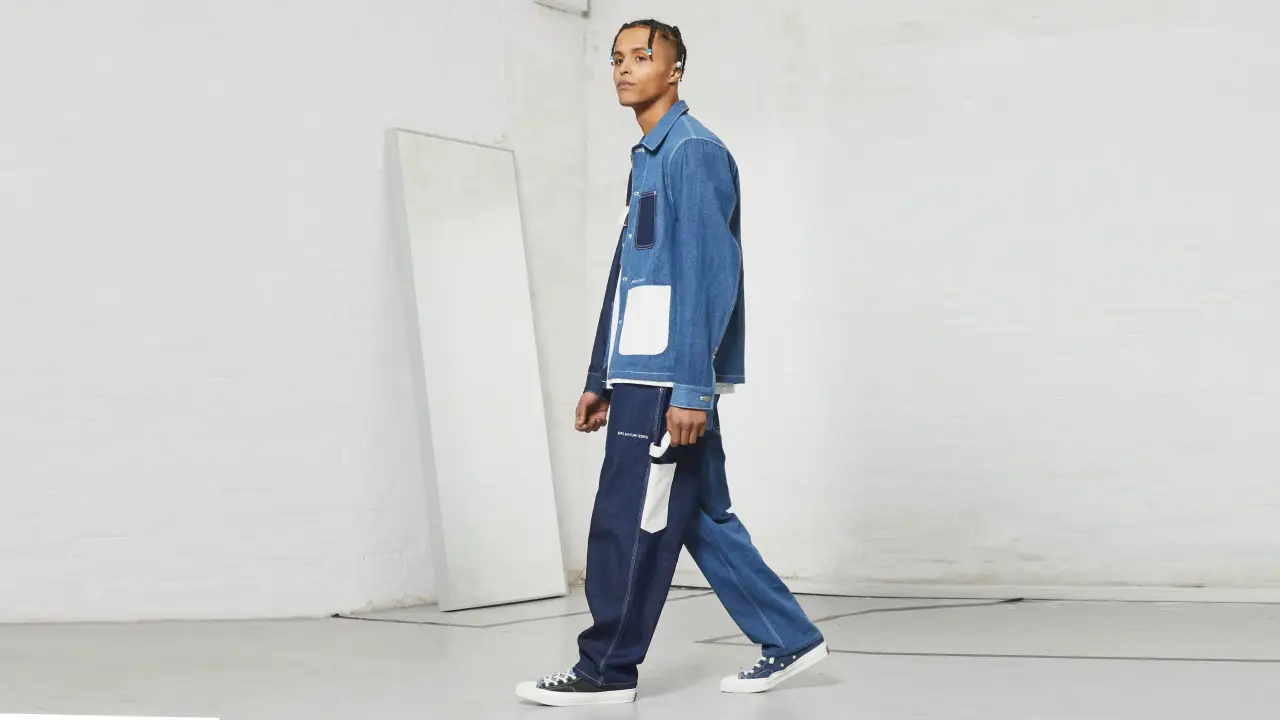
Independent labels such as somar continue that tradition with straightforward denim styling, proving that the relationship between jeans and sneakers never needed to be complicated to work. The appeal has always come from contrast: rigid denim against soft leather or mesh, dark indigo against bright white soles, heavy stitching against simple lacing. That contrast is part of what keeps sneaker culture history interesting instead of repetitive, because every new denim trend forces a small adjustment in how sneakers get worn with it.
Pairing Denim and Sneakers Today
Modern denim comes in far more shapes than it did decades ago, and that gives sneaker fans more room to experiment. A few practical guidelines still hold up no matter what sneaker trend is current.
- Straight-leg jeans work with almost any sneaker silhouette, from low-top classics to chunky retro runners, because the hem sits naturally at the shoe without bunching.
- Cropped or tapered jeans suit sneakers with visible detail, since the ankle area becomes part of the outfit rather than something hidden under extra fabric.
- Dark, raw denim pairs cleanly with white or neutral sneakers, letting the shoe stand out without competing with heavy washes or distressing.
- Light wash or distressed jeans pair well with sneakers that have some color or texture, since the jeans already carry visual interest on their own.
Why This Pairing Still Matters
Trends in both denim and sneakers move fast, but the underlying relationship has stayed remarkably stable. Jeans give an outfit structure and durability. Sneakers give it comfort and movement. That simple division of labor is why the pairing has survived workwear origins, rebellious teenage style, skate culture, and modern streetwear without ever feeling outdated. Anyone building a casual wardrobe today is, often without realizing it, following patterns set decades ago. Understanding sneaker culture history is not just a trivia exercise. It explains why certain denim cuts and sneaker shapes still look right together, and why that combination keeps reinventing itself instead of disappearing.
Frequently asked questions
Why are jeans and sneakers considered a classic pairing?
Jeans and sneakers both started as practical, affordable garments built for durability and comfort. That shared purpose made them a natural match long before either became a fashion statement, and the pairing has stuck because it still works for everyday wear.
Does the cut of jeans affect how sneakers look in an outfit?
Yes. Wide-leg or baggy jeans tend to cover more of the sneaker, while cropped or tapered jeans expose the shoe and make it the visual focus of the outfit.
What denim wash works best with white sneakers?
Dark or raw denim usually pairs best with white sneakers because the contrast keeps the shoe visible and clean without competing with heavy fading or distressing.
Is sneaker culture history connected to skate and music scenes?
Yes. Skate parks and music scenes in the 1970s and 1980s accelerated the denim and sneaker pairing, as both groups valued durable, customizable clothing over formal style.