
Why Sneaker Styling Errors Happen More Than You Think
Sneaker styling errors rarely come from picking the wrong shoe. They come from how that shoe sits against everything else you’re wearing. A clean pair of sneakers can still sink an outfit if the proportions are off, if the color fights your clothes, or if the fit looks sloppy at the ankle. Most people shop for sneakers and clothes separately, then wonder why the combination feels disjointed once they’re dressed and out the door.
Key takeaways
- Match sneaker bulk to pant proportion so the outfit doesn’t look bottom-heavy or unfinished.
- Keep sock color and visibility consistent with pants and shoes to avoid an odd break at the ankle.
- Clean sneakers and even lacing matter as much as color or style choices for a polished look.
The fix starts with treating sneakers as part of the outfit’s structure, not an afterthought you lace up last. Think about silhouette first: a chunky sole needs room above it, while a slim sneaker gets lost under wide trousers. Color matters just as much. A bright accent sneaker can anchor a neutral outfit, but two competing bold colors above and below the ankle usually read as a mistake rather than a choice.
Brands that focus on simple, well-cut basics make this easier to manage, and when you’re building a wardrobe around sneakers, you can browse ffected for pieces that keep the rest of the outfit calm enough for the shoes to do the talking. Getting the balance right is less about trends and more about consistency from head to toe.
Proportion Mistakes That Undercut Your Outfit
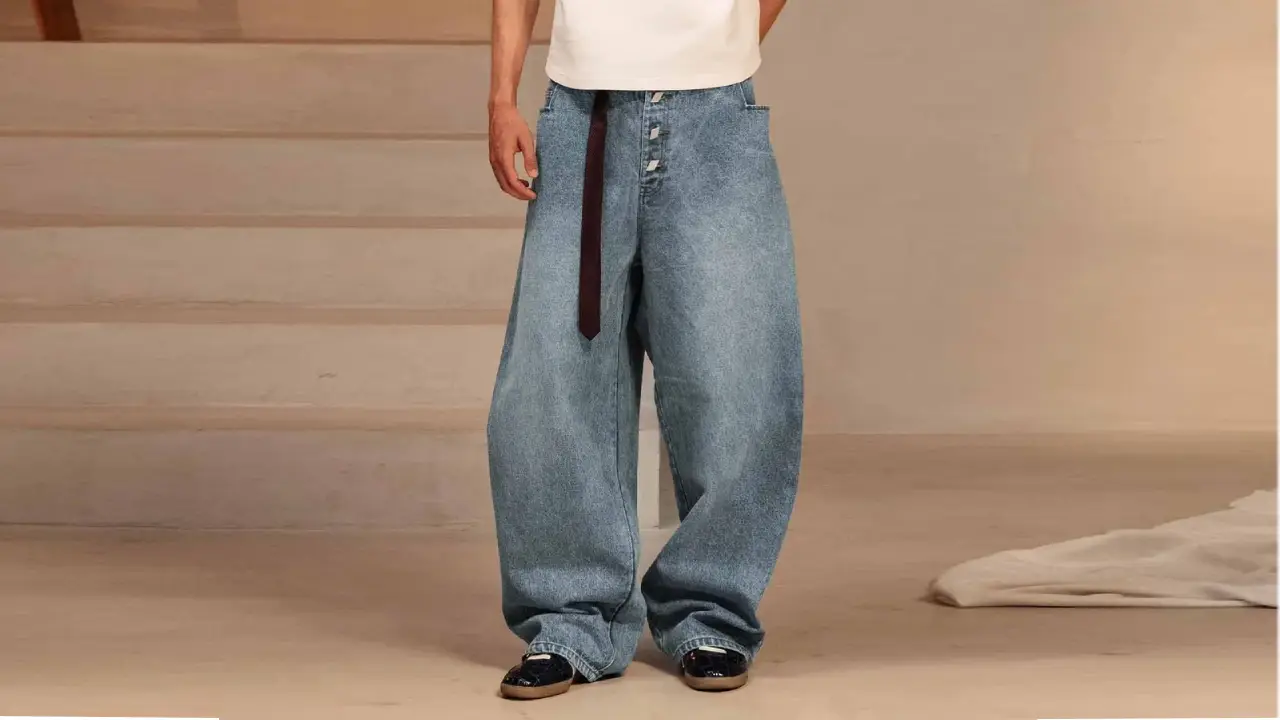
The most common sneaker styling errors are proportion mistakes, and they’re easy to miss in a mirror but obvious in photos. Bulky sneakers paired with skinny, tapered pants create a bottom-heavy look that throws off your whole frame. The shoe ends up looking like it doesn’t belong to the leg it’s attached to. The opposite problem shows up with low-profile sneakers under wide or cropped trousers, where the shoe disappears and the outfit looks unfinished at the hem.
Pant length is the detail people skip most often. Sneakers read best with a break that sits right at the top of the shoe, not pooling fabric that hides the silhouette entirely. If you’re wearing straight or slim pants, a slight crop or a clean hem usually works better with sneakers than a long, dragging length.
Jacket and top proportions matter too. A long, oversized coat over chunky sneakers can look intentional if the rest of the outfit is simple, but layering several bulky pieces on top while also wearing a thick-soled sneaker tends to overload the look. Pick one area, top or shoe, to carry the volume, and keep the other half streamlined so the outfit doesn’t fight itself from top to bottom.
Color and Sock Choices That Clash
Color handling is where a lot of sneaker styling errors sneak in unnoticed. Matching your sneakers exactly to one item of clothing can look stiff rather than coordinated. A better approach is picking a sneaker that echoes one tone already present somewhere else in the outfit, even if it’s a smaller detail like a belt or a zipper pull, so the color feels connected without being a forced match.
Socks cause more outfit damage than people expect. White socks peeking out from under dark trousers with dark sneakers create an odd visual break at the ankle. No-show socks solve this with slim pants, but with cropped or wider trousers, a visible sock in a color close to the pants or the shoe keeps the line smooth instead of chopped.
Clean basics help here too. Simple tees, plain trousers and solid outerwear give the sneaker room to be the visual interest instead of competing with patterns or multiple colors at once, and that’s part of why pieces from ffected clothing get paired with sneakers so often in casual outfits. When your base pieces stay quiet, color mistakes at the shoe level become much easier to catch and fix before you leave the house.
Fit and Maintenance Errors That Age an Outfit
Even a well-matched sneaker can ruin an outfit if it’s dirty, overly worn, or laced carelessly. Scuffed toes and yellowed soles are the fastest way to make an otherwise sharp outfit look tired. A quick wipe-down and occasional deep clean keep sneakers looking intentional rather than neglected, and it costs almost nothing compared to the visual difference it makes.
Lacing is another overlooked detail. Loose, uneven laces or laces tucked in sloppily pull focus in a bad way. Straight-bar or simple criss-cross lacing looks neater under cropped pants where the shoe is fully visible, while looser lacing can work with relaxed, baggier outfits as long as it’s even on both sides.
Fit at the heel and ankle matters for how the whole leg line reads. Sneakers that gap at the heel or bunch at the ankle break the clean line pants are supposed to create. If a pair never quite sits right, it’s worth sizing down half a size or trying thicker socks rather than forcing an ill-fitting shoe into daily rotation. Small adjustments like these solve most of the lingering sneaker styling errors that otherwise undo an outfit you spent real time putting together.
Frequently asked questions
What is the biggest sneaker styling mistake people make?
Mismatched proportions are the most common issue, like pairing chunky sneakers with skinny pants or letting wide trousers swallow a slim sneaker. Fixing the pant hem length usually solves most of this.
Should sneaker color match my outfit exactly?
No, an exact match often looks stiff. It works better to pick a sneaker that echoes a smaller tone already in the outfit, like a belt or zipper detail.
Do dirty sneakers really affect how an outfit looks?
Yes, scuffed or yellowed sneakers make even a well-planned outfit look neglected. Regular light cleaning keeps the shoe from dragging down the rest of the look.