
Where Japanese Streetwear Began
Japanese streetwear did not appear overnight. It grew out of post war Tokyo, where American soldiers left behind denim, military jackets and work boots that local shops began studying piece by piece. Japanese tailors and denim makers in Osaka and Tokyo took those garments apart, rebuilt them with obsessive attention to stitching and fabric weight, and sold them back to a generation hungry for American style with a Japanese finish. This habit of close study rather than copying is the root of everything that followed. By the 1980s, neighborhoods like Harajuku and later Ura-Harajuku became testing grounds for small labels mixing military wear, workwear and skate gear. Shops were tiny, stock was limited, and customers lined up before opening because a single drop could sell out in an hour. That scarcity culture shaped how streetwear fans everywhere now think about limited runs and queue culture. You can still feel that history in shops that sell curated clothing, and anyone reading about mki miyuki zoku should know the brand sits inside this same lineage of small, focused Japanese retail that treats clothing as something worth studying rather than just buying.
Key takeaways
- Japanese streetwear grew from post war American military surplus reworked by Japanese tailors.
- Tokyo’s sneaker scene formed through skate and basketball imports, giving Japan its own sneaker identity.
- Small independent shops shaped the scarcity culture and curated approach still seen in streetwear retail today.
Sneakers Enter the Picture
Sneakers joined this scene almost by accident. Skateboarding arrived in Japan in the late 1970s and brought along American skate shoes, which local kids wore with cuffed jeans and oversized tees borrowed from hip hop culture seen in imported magazines and VHS tapes. Basketball sneakers followed in the late 1980s and early 1990s, and Tokyo retailers started importing colorways that never reached the United States in large numbers, which made Japan a magnet for sneaker collectors almost immediately. Shops in Shibuya and Harajuku began pairing rare releases with Japanese made clothing, creating outfits that looked nothing like what was happening in Los Angeles or New York at the time. This is where Japanese streetwear found its own identity: American references filtered through Japanese pattern cutting, fabric choice and a near obsessive sense of proportion. Sneakers stopped being purely sport equipment and became part of a full outfit built around texture and silhouette. That approach still shapes how Japanese labels design today, favoring fabrics and cuts that look right next to a clean pair of sneakers rather than competing with them.
You can still feel that history in shops that sell curated clothing, and anyone reading about mki miyuki zoku should know the brand sits inside this same lineage of small, focused Japanese retail that treats clothing as something worth studying rather than just buying.
The Influence of Small Independent Shops
Small shops did more for Japanese streetwear than any big department store ever could. A handful of buyers with sharp eyes decided what counted as cool, stocking tiny quantities of jackets, tees and accessories that larger retailers ignored. This created a culture where finding the right piece meant knowing the right shop, not just having money to spend. That model traveled well beyond Tokyo. Shoppers browsing mki mki today are tapping into a retail idea that started in those cramped Japanese storefronts: a tightly edited selection of clothing chosen by people who actually care about fit and fabric, rather than a warehouse of everything at once. The independent shop model also kept Japanese streetwear honest. Without big marketing budgets, these stores relied on word of mouth, repeat customers and a reputation built slowly over years. That slower pace is part of why the look still feels considered rather than disposable, even decades later. It rewarded patience, and it still does for anyone hunting down a specific jacket or a particular shoe today.
Shoppers browsing mki mki today are tapping into a retail idea that started in those cramped Japanese storefronts: a tightly edited selection of clothing chosen by people who actually care about fit and fabric, rather than a warehouse of everything at once.
Why This History Still Matters for Outfits Today
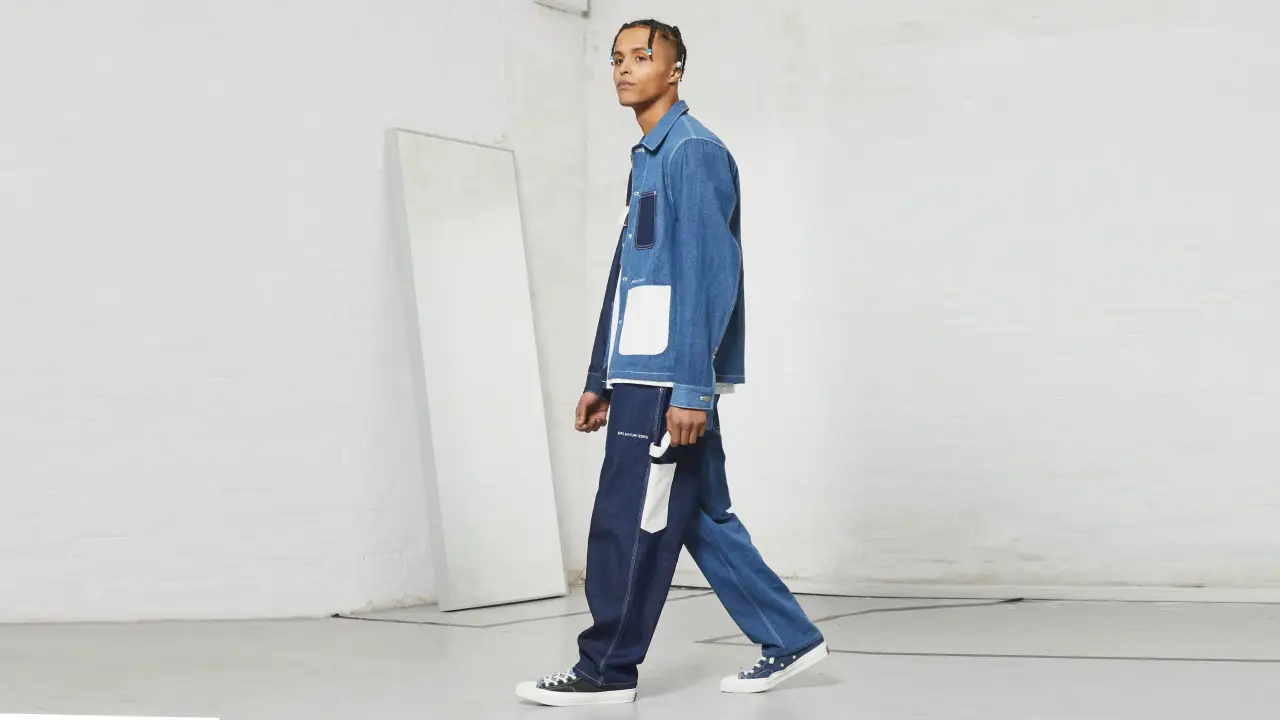
Understanding where Japanese streetwear came from changes how you build an outfit with it. The style was never about logos stacked on top of each other. It was about contrast: rugged military fabric against a clean sneaker, a boxy silhouette balanced by a slim pant, muted colors broken up with one unexpected texture. Keeping that balance in mind helps when pairing sneakers with Japanese inspired pieces, since the goal is harmony between shoe and garment rather than competition for attention. Pay attention to proportion first. A chunky sneaker usually wants a slightly looser pant leg so the shoe does not look crowded. A slim, low profile sneaker works well under a more tailored cut, echoing the quieter side of Japanese design. Fabric weight matters too; heavier cotton and denim pieces generally sit better with sneakers that have some structure, while lighter technical fabrics pair naturally with lower, simpler silhouettes. None of this requires an expensive wardrobe. It just asks for the same patience the original Tokyo shops built their reputation on: look closely, choose carefully, and let the history inform the fit rather than copying it piece for piece.
Frequently asked questions
What makes Japanese streetwear different from American streetwear?
Japanese streetwear takes American references like military wear and denim and reworks them with closer attention to fabric, stitching and proportion. The result feels more considered and less logo driven than much of its American source material.
Why is Tokyo important to sneaker culture?
Tokyo retailers imported rare colorways early and paired them with Japanese made clothing, creating outfits and a collecting culture that influenced sneaker fans worldwide. This made Japan a key hub for limited releases starting in the late 1980s.
How do I style sneakers with Japanese inspired clothing?
Focus on proportion and fabric weight rather than logos. Match chunky sneakers with slightly looser pants and pair slimmer, low profile sneakers with tailored cuts for a balanced look.