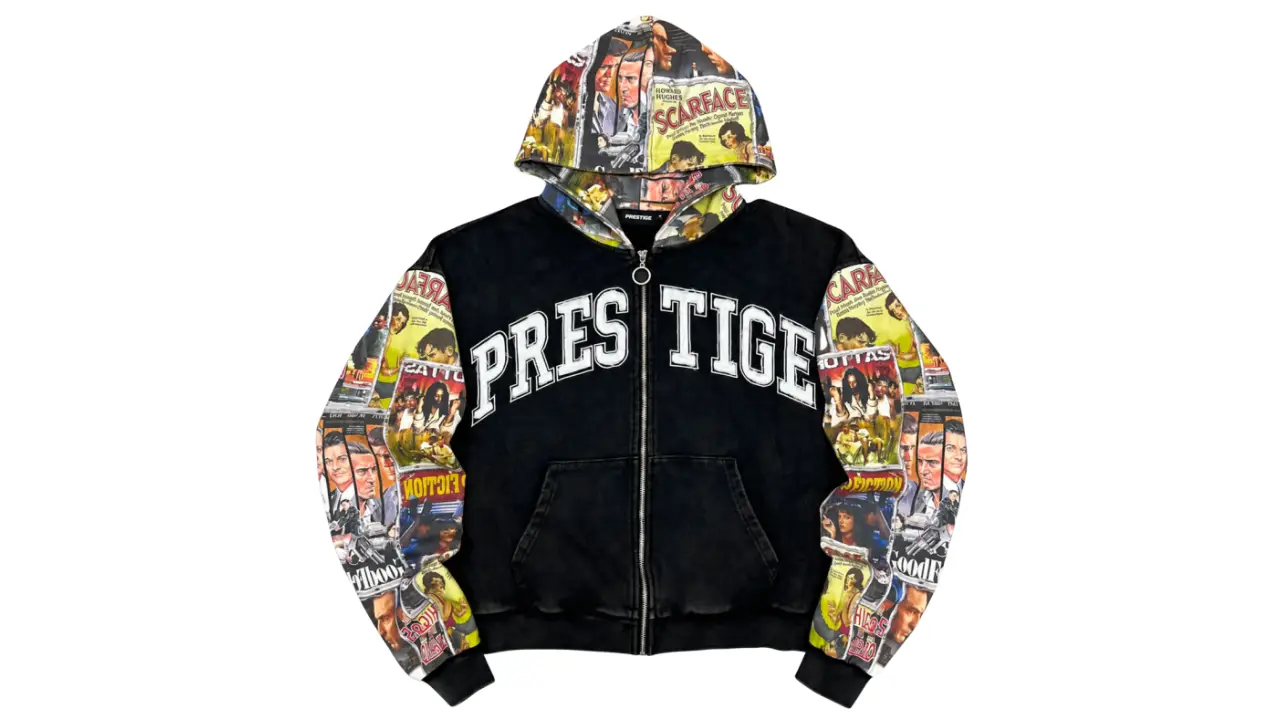

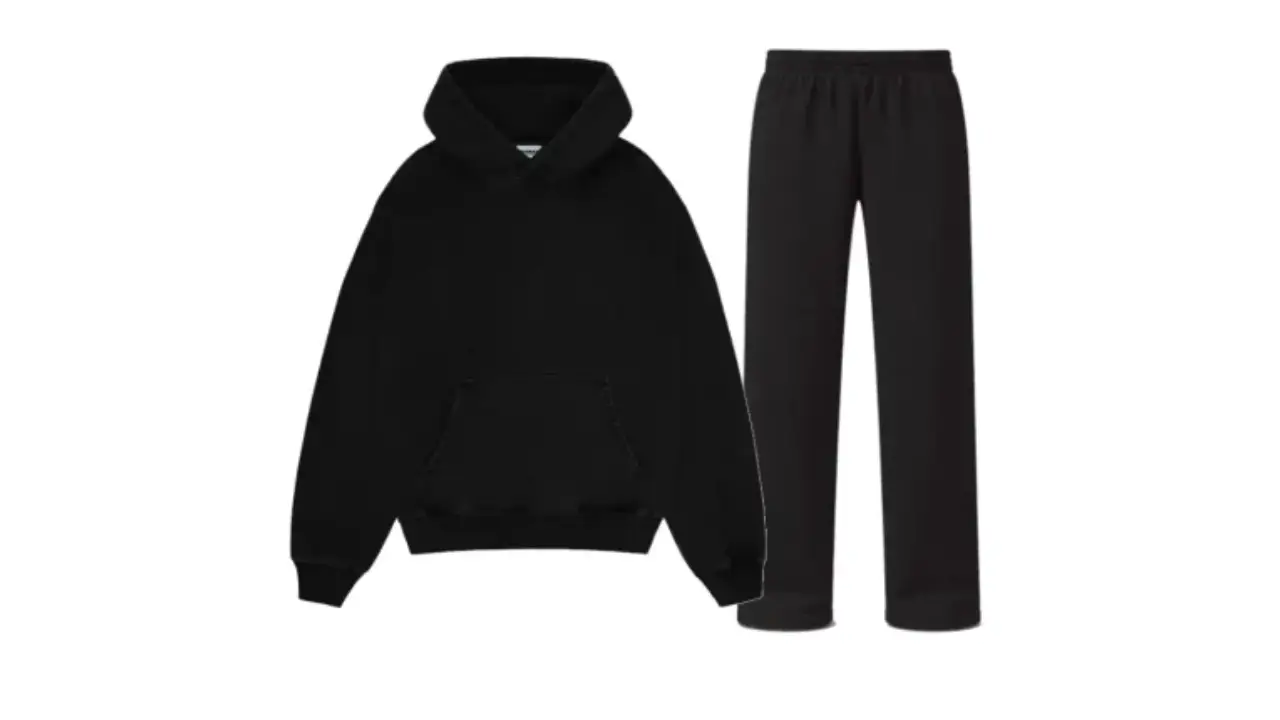
Why Tracksuit Fabrics Matter for Sneaker Comfort
Tracksuit fabrics do more than decide how an outfit looks in a photo. They decide how your legs feel after six hours of walking, standing in line, or running errands in sneakers that were never meant to be broken in gently. A heavy, stiff fabric bunches at the ankle and rubs against the collar of your shoe. A fabric with the wrong stretch pulls at the knee every time you take a long stride. If you want your sneakers to feel good past the third hour of the day, the tracksuit you pair them with matters almost as much as the shoe itself.
Key takeaways
- Fabric weight and breathability directly affect how your feet feel inside sneakers after hours of wear.
- Tapered, slightly stretchy cuffs pair better with sneakers than stiff or loose ones.
- Match tracksuit fabric to your actual day: breathable blends for long walks, heavier fleece for short, low-movement outings.
Most people shop for tracksuits based on color or cut, then wonder why their feet feel hot or their ankles feel chafed by early afternoon. Fabric weight, weave, and finish change how air moves around your lower leg, which affects sock dampness, shoe fit, and even how your laces hold through the day. A brand like no sauce sells clothing, including tracksuits, and looking at a few options there is a reasonable way to compare fabric weights before deciding what suits your routine.
Cotton Blends Versus Synthetic Tracksuit Fabrics
Cotton blend tracksuit fabrics feel soft against skin and breathe reasonably well in mild weather, but they hold onto sweat longer than synthetic options. If you’re walking a city all day in sneakers, that dampness travels down to your socks and can make your feet feel sticky inside the shoe by midafternoon. Cotton blends work best for cooler days or shorter outings where moisture isn’t building up for hours at a time.
Synthetic tracksuit fabrics, usually polyester or a poly-spandex mix, move moisture away from skin faster and dry quicker if you get caught in light rain or start sweating from a brisk pace. The tradeoff is that cheaper synthetics can feel plasticky and trap heat if the weave isn’t open enough. A decent middle ground is a poly-cotton blend, which keeps some of cotton’s softness while cutting down on the clamminess that pure cotton can cause over a full day of wear with sneakers.
Neither option is universally better. The right choice depends on your climate, your pace, and how long you’ll actually be wearing the set before you can change.
Fit, Stretch, and How Tracksuit Bottoms Meet Your Shoe
The cuff of a tracksuit bottom sits directly against your sneaker’s collar, so fabric stiffness there changes how the shoe feels with every step. A stiff, non-stretch cuff can dig into the top of your foot when you bend your ankle walking uphill or climbing stairs. A fabric with a bit of elastane gives enough to move with your foot instead of fighting it.
Tapered tracksuit bottoms tend to pair better with sneakers than wide, loose ones because they don’t drag over the toe box or collect dirt at the heel. If the fabric is too thick, a tapered cuff can still feel bulky inside a low-top sneaker, so thinner, slightly stretchy fabrics usually work best for that fit. Browsing something like the no sauce tracksuit page can give you a sense of cut options before you commit to a pair meant for long days on your feet.
Also check the waistband. A tight, non-stretch waistband can make you adjust your stance subtly all day, which changes how weight sits in your shoes and can cause uneven wear on the outsole over time.
Matching Tracksuit Fabrics to Your Sneaker Routine
If you wear sneakers for walking commutes or long days on concrete, lightweight tracksuit fabrics with some moisture control make the most sense. Heavier fleece tracksuits look great for casual, low-movement days but can trap heat around the ankle, which makes feet sweat more inside the shoe even if the weather outside is cool.
Think about your actual day before buying. Someone standing at a job all day benefits from breathable, slightly stretchy tracksuit fabrics that won’t bind at the knee or ankle. Someone running quick errands in cooler weather can get away with heavier fleece without much discomfort, since the wear time is shorter.
Color and texture matter for outfit pairing, but fabric performance is what determines whether your sneakers still feel comfortable by evening. A tracksuit that looks sharp but traps heat or rubs at the cuff will undercut even the most comfortable sneaker you own. Pay attention to how a fabric feels when you flex your ankle in the store, not just how it drapes on a hanger, and you’ll avoid most of the discomfort people blame on their shoes when the real issue was the fabric around them.
Frequently asked questions
What fabric is best for tracksuits worn with sneakers all day?
A poly-cotton blend with a touch of elastane usually works best, since it balances breathability with enough stretch to move with your ankle and knee during long periods of walking or standing.
Do tracksuit cuffs affect how sneakers fit?
Yes, a stiff or bulky cuff can dig into the top of your foot or feel cramped inside a low-top sneaker, while a thinner, slightly stretchy cuff moves naturally with your ankle.
Is cotton or synthetic better for a tracksuit worn with sneakers?
Cotton feels softer but holds sweat longer, which can make feet feel damp inside sneakers over a full day. Synthetic blends dry faster and manage moisture better for longer or more active wear.