

Why Sneaker Fit Isn’t Just About Shoe Size
Sneaker fit depends on more than the number on the box. Two people with the same shoe size can need completely different lacing, width, and ankle support because their build and height change how weight moves through the foot. A taller person with a longer stride often lands harder on the heel, which means more cushioning matters. A shorter person with a lighter frame might find the same shoe feels sloppy and loose because there’s less downward pressure to compress the midsole. Before you buy anything, including a jacket or hoodie to match, it helps to understand how your frame interacts with footwear. Brands that sell both shoes and apparel, like gangster unit, know that proportion matters across an entire outfit, not just the feet. If you’re tall and narrow, you likely need a shoe with a snug heel cup and a slightly roomier toe box to avoid pressure points. If you carry more weight in your lower body, firmer midsoles tend to hold their shape longer and keep the ride stable instead of collapsing under repeated impact.
Key takeaways
- Height changes stride length, which affects how heels and soles wear down over time.
- Lighter and shorter builds usually need softer midsoles and narrower widths than heavier, taller frames.
- Judging fit while walking, not just standing, reveals pressure points tied to your actual proportions.
Taller Frames and Longer Strides
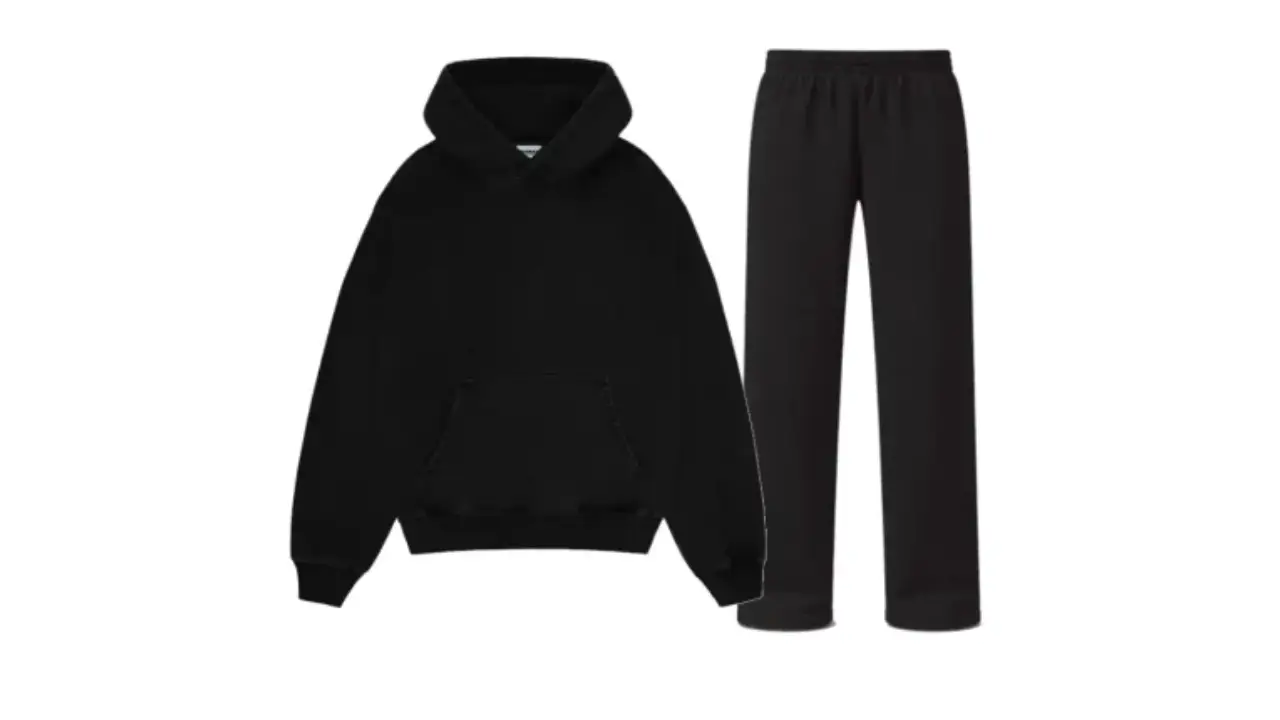
Height changes gait more than most people realize. A taller frame usually means a longer stride, and a longer stride puts more force through the heel and the ball of the foot with every step. This is why taller sneaker wearers often complain about shoes breaking down fast at the heel counter while the rest of the shoe still looks new. If you’re over six feet, look for sneakers with reinforced heel structure and a slightly stiffer sole plate. Soft, flexible soles might feel comfortable in the store but can fold under a longer, heavier stride within a few months. Lacing also matters here: a wider lacing pattern across the midfoot gives a taller frame more control and reduces the side-to-side rocking that happens when a shoe is too soft for the load it’s carrying. Pairing proportions matters too. A longer leg line looks better with a slightly chunkier sneaker silhouette, while something like a g unit hoodie with a relaxed fit can balance out broader shoulders often seen on taller builds. The goal is matching shoe structure to the actual forces your height generates, not just picking a size.
Brands that sell both shoes and apparel, like gangster unit, know that proportion matters across an entire outfit, not just the feet.
Shorter and Lighter Builds
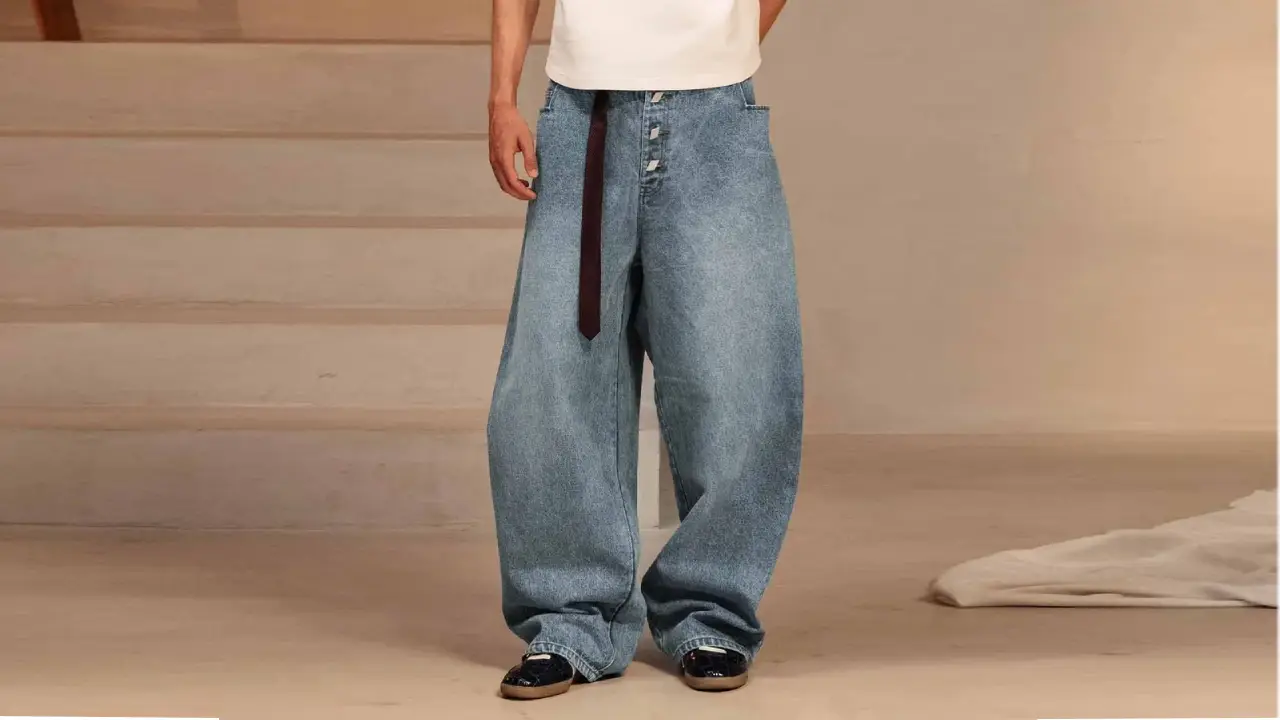
Shorter or lighter framed people face the opposite problem. Less body weight means less compression on the midsole, so a sneaker that feels perfectly cushioned to a heavier person might feel stiff and unresponsive to someone lighter. If this sounds like you, softer foam midsoles and lower-profile soles usually feel better underfoot because they don’t need as much pressure to flex properly. Width is another factor that gets overlooked. Lighter frames often have narrower feet, and a shoe that’s too wide will let the foot slide inside, causing blisters at the heel or along the arch. Tightening the laces more than usual can mask this for a while, but it’s not a real fix. A half size down or a narrower width option, when available, solves the problem at the source. Shorter builds also tend to look better in lower-top silhouettes since high-tops can visually shorten the leg line. If you’re building a full look around a pair of sneakers, brands under gangster unit clothing offer pieces cut closer to the body, which tends to suit shorter frames better than oversized cuts that can overwhelm a smaller build.
If you’re building a full look around a pair of sneakers, brands under gangster unit clothing offer pieces cut closer to the body, which tends to suit shorter frames better than oversized cuts that can overwhelm a smaller build.
Matching Fit to Your Actual Proportions
The most reliable way to judge sneaker fit is to think about your proportions as a whole system instead of isolating the feet. Stand in front of a mirror with the shoes on and notice whether your ankle, calf, and the top of the shoe line up in a way that looks balanced. A shoe that’s structurally right for your height and weight should feel stable when you shift your weight side to side, not wobbly or overly stiff. Walk a short distance indoors before deciding; standing still tells you almost nothing about how a shoe performs under real movement. Pay attention to where pressure builds after a few minutes, since that’s usually where the shoe and your build disagree. If you consistently feel pressure at the same spot across different shoe models, that’s a signal about your foot shape and stride, not about any one shoe being faulty. Keep a mental note of which brands and models have worked for your frame in the past, since manufacturers often keep consistent lasts across their lines. Over time, this kind of attention saves money and returns, because you’ll know within the first few steps whether a sneaker actually fits the body wearing it.
Pairing proportions matters too, since something like a g unit hoodie with a relaxed fit can balance out broader shoulders often seen on taller builds.
Frequently asked questions
Does height really change how a sneaker fits?
Yes, taller people generally have longer strides that put more force through the heel, so they often need firmer soles and reinforced heel structure. Shorter frames usually do better with softer midsoles since there’s less body weight to compress them.
Why do my sneakers wear out unevenly?
Uneven wear usually points to how your stride and body weight distribute pressure across the shoe. A longer stride tends to wear down the heel faster, while a heavier frame can flatten the midsole sooner than the upper shows wear.
Should I size down if I have a narrow, lighter foot?
Often yes, especially if the shoe feels like it’s sliding at the heel or arch. Trying a half size down or a narrower width, when offered, usually solves slippage better than just tightening the laces.